
AI video repurposing tools: how to tell good clip selection from loud clip selection
Clip selection is where these tools live or die, and it is the one thing the demos never show you honestly.
This is placeholder copy demonstrating the article template. It is not published research, and any figures in it are illustrative. Real articles replace it in the editor.
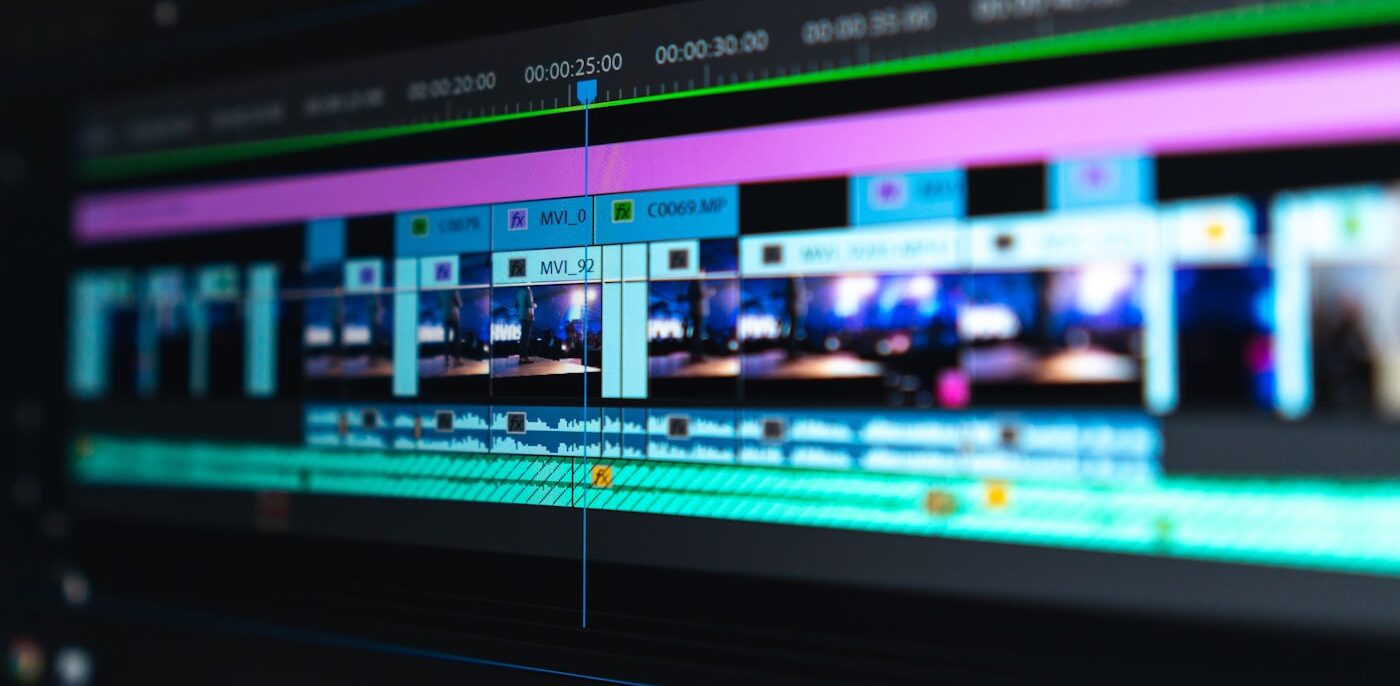
Every one of these tools makes the same promise: feed it a long video, receive short videos that perform. The test that separates them is an identical long-form episode put through each on episode and compared what came back.
Why one source episode matters
Clip quality depends enormously on the source. Give one tool a tightly-edited interview and another a rambling solo monologue and you are comparing inputs, not products. So: one episode, two speakers, a genuine argument in the middle, and — deliberately — one very loud laugh at minute 31 that is not about anything.
That laugh turned out to be the whole test.
Clip selection is the entire product
Three tools returned the loud moment as a top-three clip. It is the highest-energy audio in the episode and it means nothing out of context. This is what most of these products actually optimise for: acoustic salience standing in for editorial judgement.
Three tools found the actual highlight — a 90-second exchange around minute 18 where the guest reverses a position they had defended earlier. It is the moment anyone who listened would clip. Two of the three trimmed it well. One started four seconds late and cut the setup line that makes it land.
Clip selection against a human-picked list of six; boundary accuracy in seconds; caption word error rate; reframing quality on a two-speaker shot; and time from upload to a clip we would post without editing.
Reframing: better than expected
Automatic 16:9 to 9:16 reframing on a two-speaker conversation used to be reliably bad. It is now mostly fine. Four of six tracked the active speaker cleanly. The failure mode has shifted from “crops to the wrong person” to “cuts between speakers slightly too eagerly during crosstalk”, which is a much better class of problem.
Captions
Word error rates ranged from 1.8% to 6.4% on clean studio audio. The spread widens sharply on accented speech — we cover that properly in our captioning benchmark, but the short version is that the leaderboard reorders substantially once you stop testing on American English.
The economics nobody mentions
At the volume these tools assume, you are not saving editing time — you are replacing an editor’s judgement with a filter and then reviewing its output. Budget the review time. Teams that skip it publish the loud laugh.
The short version
Two tools are genuinely useful if you review every clip before posting. None are useful if you do not. The technology that reframes and captions is solved; the technology that knows what is interesting is not, and it is being sold as though it were.
Disclosure: digitalmarketingtools.ai is sponsored by Digimetrics.ai. Sponsored Highlights are clearly labelled advertising. Our reviews, comparisons and guides are written to be useful and fair regardless of who sponsors the site. Read the full disclosure.


